Something in between

Katarzyna Jackowska
Each of these works was created at a moment of transition-when something ends, but it's unclear what will come next. The old world still casts its shadow, while the new one only begins to take shape. This concert is about such a moment: not about stability, but about movement-between eras, aesthetics, and places.
Beethoven wrote Fidelio at the intersection of two worlds -both aesthetically and historically. On the one hand, it follows operatic convention; on the other, it is a drama of freedom in the context of political oppression. Leonora, the main character, rescues her husband from prison by disguising herself as a boy -but that's just the outer plot. It's a transition story at its core: from darkness to light, from silence to action. The overture Beethoven ultimately chose is shorter and more functional than its earlier versions. It contains dramatic and heroic themes yet remains within a clear, classical form. The composer doesn't abandon old rules, but he already begins to bend them, trying to say more than tradition allows. It is music that still knows the old order, but already thinks in new ways.
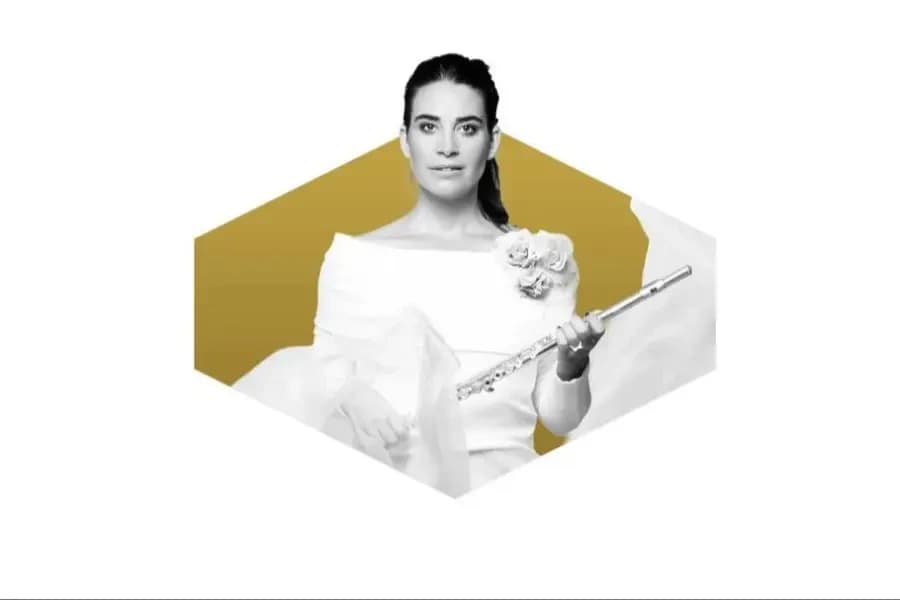
Elżbieta Sikora has long built her music on the border between worlds: classical and experimental, form and sound. Her Concerto for Flute and Orchestra, the world premiere of which will take place during a concert at the Szczecin Philharmonic, fits into this trend -a piece in which a familiar instrument speaks the language of the present. It's not about shock but seeking a new space for an old voice. The flute, guided by Ana de la Vega, an Australian who has taken the international classical music scene by storm, becomes a guide through this unfamiliar terrain.
This evening is not about what endures but about what changes. About the tension between the known and the unknown. About old forms and new meanings. And about the fact that music, though rooted, always moves forward.